首页/News/Violin Temple · Violin Temple Treasure Hall — A Formal Invitation to Chinese Luthiers

Violin Temple · Violin Temple Treasure Hall — A Formal Invitation to Chinese Luthiers

管理员May 13, 2026
Violin Temple · Violin Temple Treasure Hall — A Formal Invitation to Chinese Luthiers

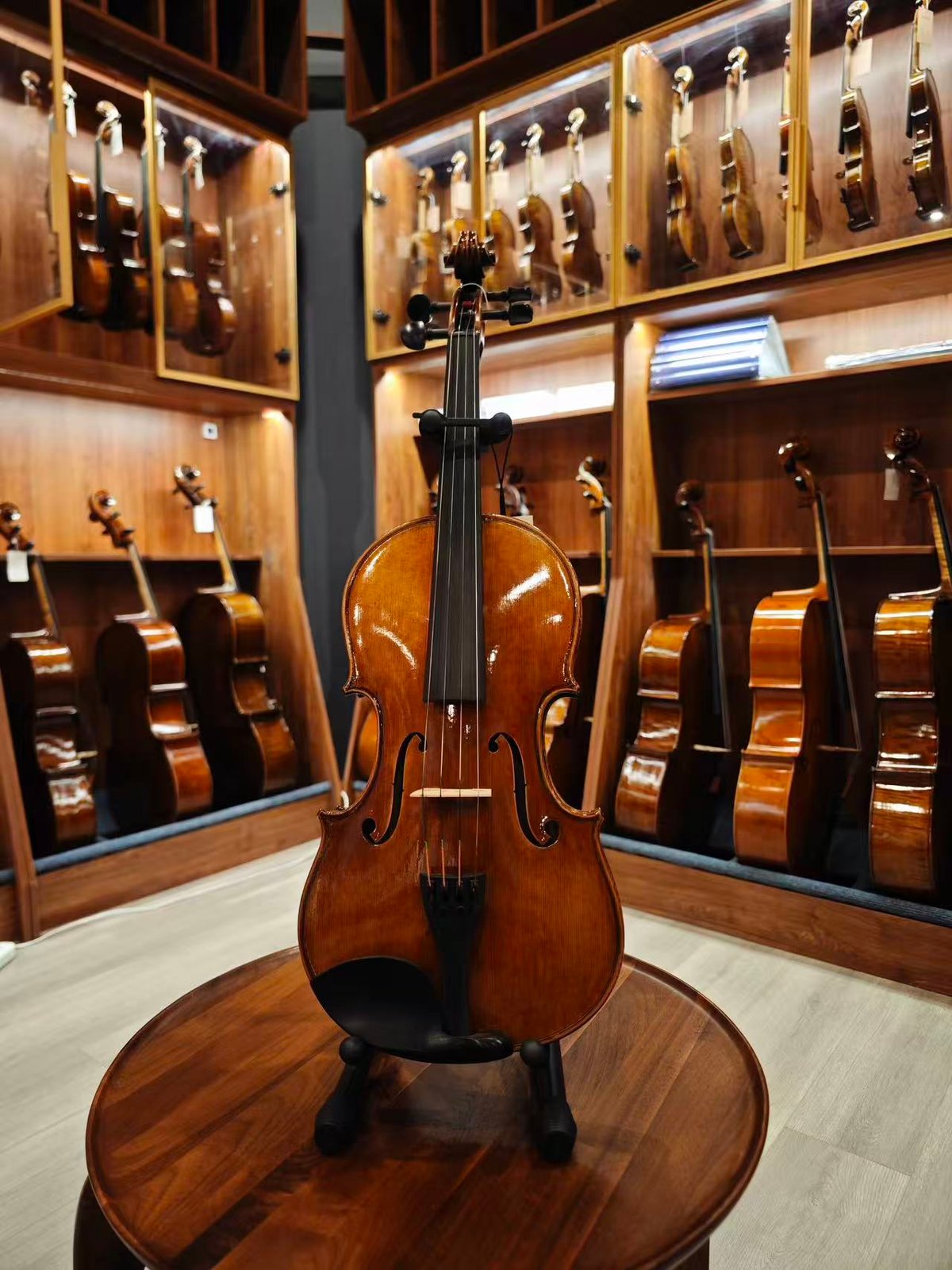
Wood as the skeleton, strings as the soul Violin-making is a craft that transcends time. From the careful selection of materials to the precise shaping of the arch, from the placement of the sound post to the layered application of varnish—the birth of every handcrafted violin embodies the years of skill and lifelong dedication of a luthier. It is not merely the transmission of technique, but a devout guardianship of the beauty of sound. The Violin Temple Treasure Hall is built for this very guardianship.

Violin Temple · Violin Temple Treasure Hall – A Formal Invitation to Chinese Luthiers **About Violin Temple** Violin Temple · Violin Temple Treasure Hall, located in Building 6 of the Beijing Music Industrial Park (within the Dibis Audio Hall), Chaoyang District, Beijing, boasts a 640-square-meter professional acoustic environment. It serves as an exclusive exhibition platform for the finest works of China’s top luthiers. The core collection features masterpieces from leading domestic violin makers, with special emphasis on works by luthiers who have won awards in international violin competitions. Every violin admitted to the hall undergoes rigorous selection, ensuring that all exhibited and sold pieces are authentic and skillfully crafted. Violin Temple has specially invited Mr. Hao Li, former solo violinist of the Central Orchestra, to serve as Chief Advisor. With a performer’s professional perspective, he oversees the quality of the collection, granting each piece authoritative recognition from the moment it is displayed. The curator, Mr. Tian Lifu, has long been dedicated to the violin industry, striving to build a fair, transparent, and professional platform for Chinese luthiers to showcase and trade their works, so that the value of handmade violins is seen, respected, and passed on. **Industry Challenges and the Mission of Violin Temple** The current Chinese violin industry faces numerous deep-seated challenges: 1. **Lack of exhibition channels.** Luthiers invest months or even years in crafting their works, yet often lack professional, sustained, and audience-facing display opportunities. Fine pieces remain hidden in workshops, rarely reaching true performers and collectors. 2. **Excessive intermediaries.** Between luthiers and performers, multiple layers of markup erode the luthier’s fair return while preventing consumers from enjoying reasonable prices—both sides lose. 3. **Confusion between handmade and factory-made violins.** The line between handmade and mass-produced factory violins is blurred in the market, leaving consumers unable to distinguish and making choices difficult, while diluting the professional value of luthiers. 4. **Lack of branding and storytelling.** Luthiers’ personal brands and the stories behind their craft lack systematic dissemination. The artistry and heritage behind each work remain untold. 5. **Absence of industry standards.** The industry urgently needs a transparent, standardized, and trustworthy platform for display and trade, to rebuild the bridge of trust between luthiers and users. The mission of Violin Temple is to confront these challenges head-on, establishing a hall of their own for Chinese luthiers—where works are seen, value is recognized, and craftsmanship is passed on. **Cooperation Models** Violin Temple offers four cooperation models to suit different needs: 1. **Exhibition and Sales Model** Luthiers consign their works to Violin Temple, which is responsible for storage, display, promotion, and agency sales. The retail price is set by Violin Temple, with the price difference retained as operational revenue. Within 10 working days of a sale, Violin Temple pays the luthier the settlement price, ensuring a clear process and timely payment. 2. **Rental Business** Luthiers’ works can be included in Violin Temple’s rental system, generating ongoing value for the pieces. 3. **Exhibition-Only Model** Luthiers pay an annual fee and operate independently, while Violin Temple provides venue and promotional support. Suitable for luthiers who wish to observe the market or are not yet ready to sell. The first year is free. 4. **Buyback Guarantee** For works sold through the exhibition and sales model, within three years of sale, the buyback price will be no less than 50% of the settlement price, providing luthiers with a tangible value assurance. **Online Platform and Media Matrix** Works from participating luthiers will be simultaneously displayed at the Violin Temple exhibition hall and on the official website (www.violintemple.com). Luthiers are featured in the "Master Column" on the website, with their works listed under the "Treasure Collection" section, creating an integrated online-offline display system. Violin Temple also possesses extensive media resources: - **Idyllic Symphony Children’s Orchestra:** Three teaching locations with a large parent base, serving as a key platform for violin culture promotion and potential user cultivation. - **Idyllic Symphony Violins:** A domestic original violin brand adhering to cost-based pricing, opposing information asymmetry markups, and sharing the same philosophy as Violin Temple. - **Violin Temple · National Treasure String Orchestra:** Composed of performers from national-level troupes, using the highest standard of performance to give voice to the violins in the collection. - **Douyin, Video Account, Xiaohongshu, Bilibili @Three-Generation Symphony Orchestra:** With 210,000 followers across platforms, bringing violin culture to a broader audience through engaging content. **Future Plans: Voiceprint Authentication System** Violin Temple is planning a violin authentication system based on voiceprint recognition technology. This system aims to create a unique "sound ID" for each handmade violin, enabling precise identification, value assessment, and traceability certification. This initiative seeks to establish China’s own violin authentication standards, giving each handmade violin an unforgeable sound imprint. It will technically distinguish handmade violins from factory-made ones, provide authoritative technical endorsement for luthiers’ works, and build a lasting foundation of trust for the industry. **Formal Invitation** Violin Temple · Violin Temple Treasure Hall now formally invites luthiers from across the country— Starting May 17 (Sunday), Violin Temple will open for luthier interviews and contract signings. Violin Temple looks forward to face-to-face conversations with every luthier, listening to the stories behind their works, understanding their creative philosophies and craftsmanship heritage, and discussing collaboration. Interview content will be compiled and archived as valuable material for luthiers’ personal brands, systematically disseminated through the Violin Temple platform. Every luthier deserves a hall. Violin Temple is established for this very purpose. **Contact Information** Address: Building 6, Beijing Music Industrial Park (within the Dibis Audio Hall), Chaoyang District, Beijing Website: www.violintemple.com Curator: Tian Lifu Chief Advisor: Hao Li (former solo violinist of the Central Orchestra) Violin Temple · Violin Temple Treasure Hall respectfully awaits your visit.